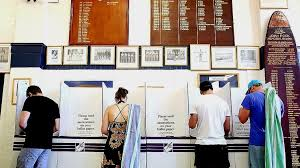
Finally, Australians have struck down the first attempt at constitutional change in 24years, a move experts say will inflict lasting damage on First Nations people and suspend any hopes of revitalizing the nation’s founding document.
Preliminary results from the Australian Electoral Commission (AEC) suggested that out of the country’s 17.6 million registered voters, about 80% wrote No on their ballots.
The proposal, to recognize Indigenous people in the constitution and create an Indigenous body to advise government on policies that affect them, needed a majority nationally and in four of six states to pass.
Prime Minister Anthony Albanese had championed the referendum and in a national address on Saturday night said his government remained committed to improving the lives of Aboriginal people and Torres Strait Islanders.
“This moment of disagreement does not define us. And it will not divide us. We are not yes voters or no voters. We are all Australians,” he said.
“It is as Australians together that we must take our country beyond this debate without forgetting why we had it in the first place. Because too often in the life of our nation, and in the political conversation, the disadvantage confronting Aboriginal and Torres Strait Islander people has been relegated to the margins.”
“This referendum and my government has put it right at the center.”
Supporters of the Yes vote had hailed it as an opportunity to work with First Nations people to solve problems in their most remote communities – higher rates of suicide, domestic violence, children in out-of-home care and incarceration.
However, resistance swelled as conservative political parties lined up to denounce the proposal as lacking detail and an unnecessary duplication of existing advisory bodies.
On Saturday, leading No campaigner Warren Mundine said the referendum should never have been calledfor.
“This is a referendum we should never have had because it was built on a lie that Aboriginal people do not have a voice,” he told the Australian Broadcasting Corporation.
During months of campaigning, the No vote gained momentum with slogans that appealed to voter apathy – “If you don’t know, vote No” – and a host of other statements designed to instil fear, according to experts, including that it would divide Australia by race and be legally risky, despite expert advice to the contrary.